
Blog
Blog
Easing Back Into Fitness This Fall Without Triggering New Injuries

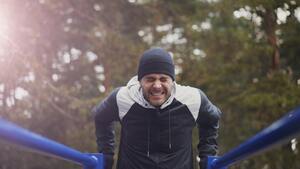
Every fall, the cooler air and reset of routines inspire a wave of good intentions. After a busy summer, people in Utica and Syracuse lace up their shoes, rejoin the gym, or dust off the bike, ready to get back into shape. It's a great instinct, but the jump back into exercise after a break is also one of the most common ways people pick up a new injury. Enthusiasm outpaces preparation, and the body pays for it.
At Revive Health, we see plenty of "too much, too soon" injuries each fall. The good news is that easing back into fitness the right way, and knowing how to respond if something flares, can keep you on track instead of sidelined.
Why Coming Back Is Riskier Than It Seems
When you take time off, your cardiovascular fitness, muscle strength, and tissue tolerance all decline somewhat. The problem is that motivation comes back instantly, while your tissues need time to readapt. People often resume at the intensity they remember, not the level their body is currently prepared for. That mismatch is where injuries happen.
Tendons and connective tissue are especially slow to adapt. They can lag behind your cardiovascular system and your enthusiasm, leaving them vulnerable when you ramp up too fast.
The Most Common "Comeback" Injuries
When people return to exercise too aggressively, certain issues show up repeatedly:
- Tendon irritation in the knees, shoulders, and elbows
- Achilles and calf strains
- Plantar fasciitis and foot pain
- Lower back tightness and flare-ups
- General overuse soreness that won't settle
Most of these come from doing too much too soon, and most are avoidable with a smarter ramp-up.
How to Ease Back In Safely
A few principles go a long way toward a healthy return:
- Start below where you think you should, build gradually
- Increase intensity or volume slowly week to week
- Prioritize warm-ups and recovery days
- Pay attention to early twinges instead of pushing through
- Be patient with tendons and connective tissue
If something does flare despite your best efforts, addressing it early is far easier than recovering from an established injury.
When Something Flares: A Regenerative Approach
SoftWave Therapy
SoftWave Therapy uses FDA-cleared acoustic wave technology to stimulate circulation, activate stem cells, and support tissue repair. For appropriate cases of the soft-tissue and tendon irritation that comeback injuries often involve, it may be evaluated as part of a plan to get you back on track.
If returning to exercise has stirred up a nagging ache that isn't settling, don't just push through and hope. Schedule a consultation to learn whether regenerative care fits your situation.
Red Light Therapy
Red Light Therapy supports mitochondrial function and may help regulate the inflammation that accompanies early overuse. Used alongside SoftWave, it provides cellular energy that recovery requires.
Supporting an Active Return
For active patients, IV Nutrition Therapy and, where appropriate, Peptide Therapy may support recovery as you rebuild. These tools come together in our Performance & Recovery approach.
Frequently Asked Questions
How do I know if soreness is normal or a problem?
General muscle soreness that eases within a day or two is usually a normal part of getting back in shape. Sharp, localized, or worsening pain, especially around a joint or tendon, is worth paying attention to. A proper evaluation helps you tell the difference.
Should I stop exercising if something flares?
Not necessarily all activity, but the aggravating one often needs to be modified. The goal is to address the issue while keeping you moving where possible. An evaluation helps define what's appropriate.
How soon might I recover?
Timelines vary by person and the issue. Caught early, comeback injuries often respond more quickly than long-standing ones. A realistic plan is monitored and adjusted along the way.
Get Back Into It the Smart Way
A little patience on the front end saves a lot of frustration later. If you're returning to exercise this fall and want to do it without sidelining yourself, a thoughtful approach, and prompt attention to any flare, makes all the difference. This integrated thinking is part of our Chronic Pain & Injury Recovery philosophy.
Building a Routine That Sticks
The ultimate goal of easing back in isn't just to avoid injury this month; it's to build a routine you can actually sustain. Most people who get hurt during a comeback do so because they treat the return as a sprint, going all-in for two weeks before an injury or burnout forces them to stop. The ones who succeed treat it as the beginning of a long-term habit, prioritizing consistency over intensity in the early going.
That mindset shift takes some of the pressure off. You don't have to make up for lost time in the first week. Gradual, steady progress not only protects your tissues but also tends to produce better long-term results because you're still going strong months later. If a flare does interrupt your momentum, addressing it promptly keeps a small setback from derailing the routine you're working to build.
Fitness Comeback Support in Utica and Syracuse
Revive Health serves patients throughout Central New York from our Utica and Syracuse locations. If getting back into shape this fall has come with some aches, an evaluation is a low-pressure way to learn what's going on and how to keep moving safely.
Schedule Your Consultation or contact our team to learn more about easing back into fitness without injury.
‹ Back
Recent Posts
-

Tech Neck and Desk Pain: Relief for the Return to Work and School
September 16, 2026
-

Easing Back Into Fitness This Fall Without Triggering New Injuries
September 9, 2026
-

Marathon and Race Season: Recovery Strategies to Keep You on Your Feet
September 2, 2026
-

-