


Blog
Blog
Hunting Season Aches: Caring for Your Back, Knees, and Shoulders in the Field
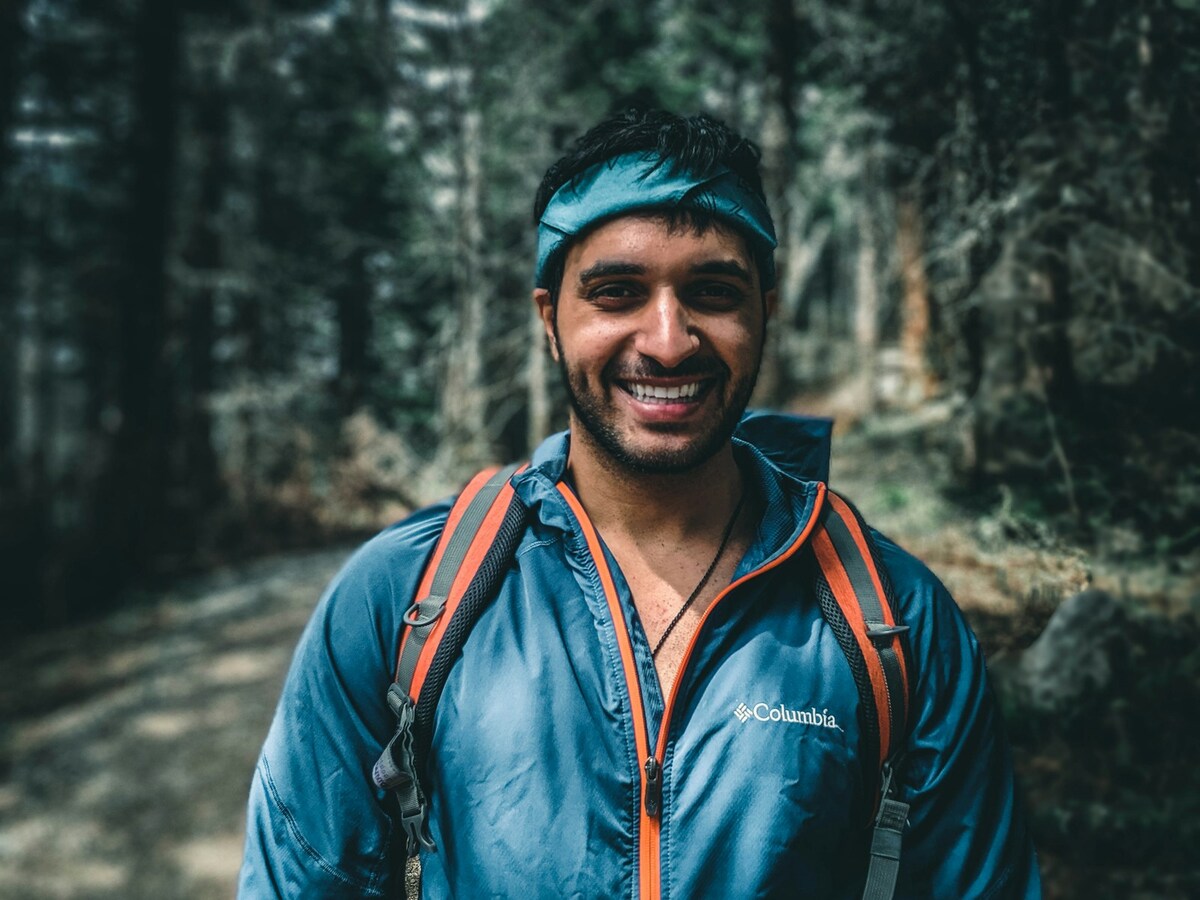
For a lot of families in Central New York, October means one thing: getting ready for deer season. The prep starts weeks ahead with scouting and hanging stands, and then opening morning arrives with a pre-dawn hike through wet leaves and cold air. It's a tradition many people look forward to all year, and it's surprisingly hard on the body. Plenty of hunters in Utica and Syracuse come out of the woods with a sore back, cranky knees, or a shoulder that won't lift the way it used to.
At Revive Health, back, knee, and shoulder pain from outdoor pursuits like hunting are among the conditions evaluated for non-surgical regenerative care. Whether you hunt the Adirondack foothills or field edges in the Mohawk Valley, understanding why these aches happen can help you stay out longer and recover better.
Why Hunting Is So Demanding on Your Body
Hunting mixes long periods of stillness with sudden bursts of hard physical work. You might hike over uneven, rocky ground with a pack, climb a ladder stand in the dark, then sit motionless for hours. When the moment comes, you twist or shoulder a rifle quickly. If you're successful, the real work begins: field dressing, dragging a deer through brush, and lifting it into a truck bed.
Cold makes all of this harder. Chilled muscles and connective tissue are stiffer and less forgiving, and you're often going from motionless to full exertion with no warmup at all. That's a common setup for strains and flare-ups of older injuries.
Common Sources of Hunting Season Pain
Most field-related aches trace back to a handful of predictable stressors:
- Hiking steep or uneven terrain, which loads the knees, ankles, and hips
- Climbing into and out of tree stands, often in low light
- Sitting for hours in a cramped position that stiffens the lower back and hips
- Dragging and lifting a harvested deer, which strains the back and shoulders
- Carrying a heavy pack or rifle on one shoulder for long periods
- Cold, early mornings that leave muscles tight before you've moved much
Many hunters also spend most of the year at a desk or behind the wheel, then ask their bodies to perform at peak for a few intense weekends. That gap is often where problems start.
Why Some Aches Stick Around After the Season
A sore back after dragging a deer usually settles in a few days. When it doesn't, or when the same knee or shoulder flares every fall, there may be more going on. Tendons and ligaments have limited circulation, and older injuries may not have healed as completely as you thought. Pushing through pain year after year can let those problems become chronic.
Regenerative Options for Hunters
SoftWave Therapy
SoftWave Therapy uses FDA-cleared acoustic wave technology to stimulate circulation, activate stem cells, and support tissue repair. For appropriate candidates with lingering soft-tissue pain in the knees, shoulders, or lower back, it may be evaluated as part of a non-surgical plan. A thorough evaluation comes first, since not every source of back or joint pain is a good fit for acoustic wave therapy.
If an old hunting injury keeps showing up every November, you don't have to accept it as part of the tradition. Schedule a consultation to see whether regenerative care may help.
Red Light Therapy
Red Light Therapy is designed to support mitochondrial function and cellular energy production. After long days in the field, it may help support muscle recovery and circulation as part of a broader plan.
Supporting Recovery Between Hunts
For appropriate patients, Peptide Therapy and IV Nutrition Therapy may be incorporated under medical guidance to support tissue repair and help restore hydration and nutrients. Every plan is tailored to the individual after a thorough evaluation.
Preparing Your Body Before Opening Day
The best recovery strategy starts before the season. A few weeks of walking with a loaded pack on hilly ground builds endurance, and simple strength work like step-ups, squats, and rows makes climbing and dragging less punishing. In the field, loosen up before climbing down, use a drag harness or game cart when you can, and get help lifting a deer into the truck. Switching which shoulder carries your rifle also helps. Hunting is an athletic activity, and our Performance Recovery approach is built with that in mind.
Frequently Asked Questions
Should I keep hunting if my back is sore?
Mild soreness often improves with gentle movement. Sharp pain, pain that worsens with activity, or pain radiating down a leg is a signal to get evaluated first.
How soon after the season should I get a nagging injury checked?
If pain hasn't improved within a couple of weeks, it's reasonable to have it evaluated, which leaves the whole off-season for recovery.
Can regenerative care help an injury from years ago?
Older injuries are often evaluated for regenerative care. An evaluation helps determine whether your situation is a good fit.
When to Get Checked Right Away
Any fall from a tree stand should be taken seriously, even if you feel okay at first, because back, neck, and head injuries aren't always obvious right away. Numbness or weakness in the legs or arms, loss of bladder or bowel control, inability to bear weight, or significant swelling all need prompt medical attention. Chest pain, shortness of breath, or unusual fatigue while dragging a deer is a medical emergency, so call 911 rather than pushing through.
Practical Recovery After a Long Day in the Woods
Recovery starts the moment you get home. Warm up with a shower and dry clothes, then take a short walk or do light stretching for your hips, hamstrings, and lower back rather than collapsing into a recliner. Rehydrate, since cold weather blunts thirst. A meal with protein supports muscle recovery, and a solid night of sleep does more for sore tissue than most people realize.
It's also smart to watch for patterns across the season. If the same knee aches after every climb, or your shoulder protests each time you raise a rifle, jot down which activities trigger the pain and how long it lasts. Those details help your care team pinpoint the tissue involved and build a plan that works around the rest of the season.
Hunting Injury Care in Utica and Syracuse
Revive Health serves patients throughout Central New York from our Utica and Syracuse locations. If hunting season has left you with a back, knee, or shoulder that won't settle down, an evaluation can help clarify what's going on and which non-surgical options fit.
Schedule Your Consultation or contact our team to learn more about non-surgical care for hunting-related aches and injuries.
‹ Back
Recent Posts
-
-
-
-

Building Resilience for Fall: Wellness IVs and Whole-Body Recovery
September 23, 2026
-

Tech Neck and Desk Pain: Relief for the Return to Work and School
September 16, 2026