


Blog
Blog
Why Your Joints Ache When the Weather Turns Cold (and What May Help)
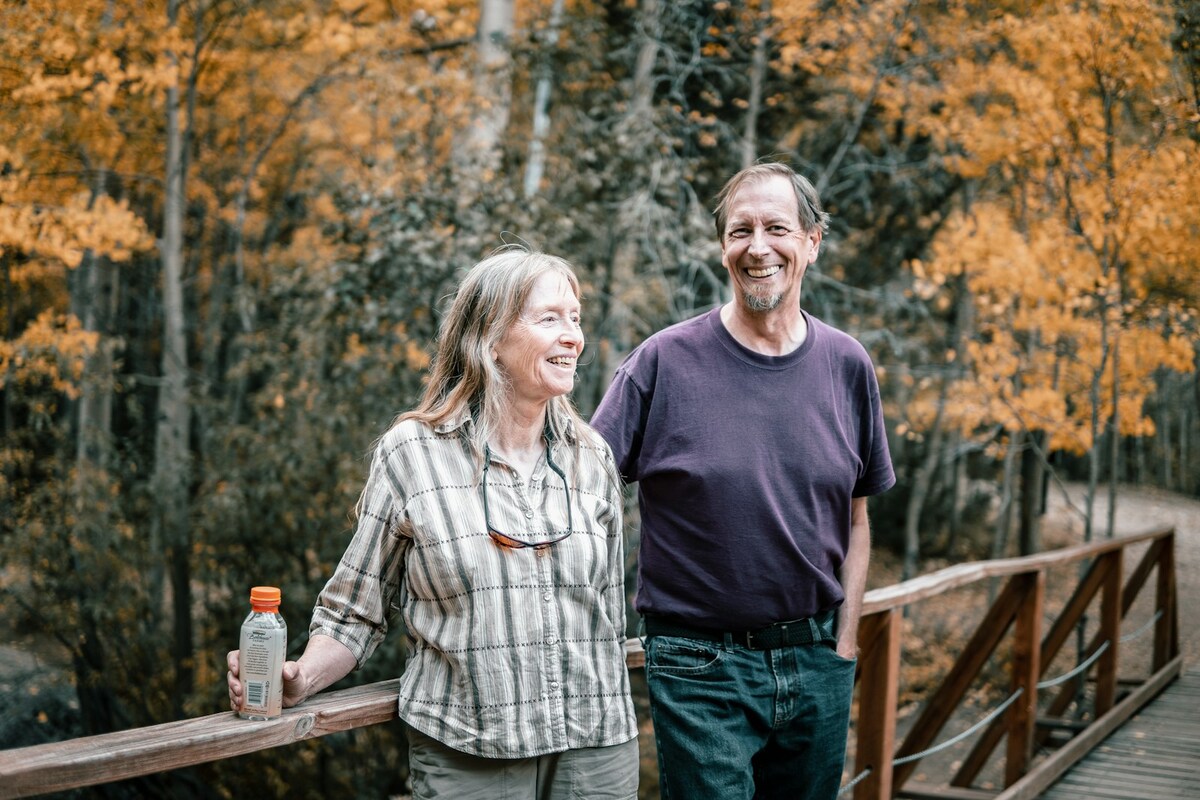
Somewhere around the first frosty morning of October, a familiar complaint starts showing up across Central New York. Knees creak on the stairs, fingers are slow to loosen around a coffee mug, and the ankle you sprained in high school suddenly has opinions about the forecast. Plenty of people in Utica and Syracuse swear they can feel a storm coming before the clouds arrive, and the discomfort is real.
At Revive Health, weather-related joint stiffness and old injuries that flare in cold, damp conditions are among the conditions evaluated for non-surgical regenerative care. The seasons in the Mohawk Valley aren't going to change, but how your joints handle them may be something you can influence.
What's Behind Weather-Related Joint Pain
Here's the honest part: research on weather and pain is mixed. Some studies suggest a link between falling barometric pressure, cold temperatures, and increased joint discomfort, while others find little connection at all. Still, many people with arthritis, previous injuries, or chronic joint problems consistently report feeling worse when the weather turns. The experience is real, even if the mechanism is still debated.
Several theories try to explain it. A drop in barometric pressure before a storm may let the tissues around a joint expand slightly, pressing on areas that are already sensitive. Cold can make muscles and connective tissue less pliable, and circulation to the hands and feet decreases as your body protects its core, which can leave them achy and slow to loosen up.
Factors That Make Cold-Weather Aches Worse
Not everyone feels the weather in their joints. People who notice it most often share a few common threads:
- Existing osteoarthritis in the knees, hips, hands, or spine
- Old sprains, fractures, or surgeries that never fully settled down
- Less daily movement as outdoor activity tapers off in the fall
- Muscle tension from bracing against the cold or hunching in a heavy coat
- Reduced circulation to the hands and feet in low temperatures
- Poor sleep, which can lower your tolerance for pain overall
These factors tend to stack. A knee with some wear, combined with less walking and a few nights of restless sleep, can go from mildly annoying to genuinely limiting by the time lake-effect snow arrives. Fortunately, several of them are within your control.
Why Old Injuries Seem to Act Up
If a previous injury flares every fall, there's often a reason. Healed tissue doesn't always return to its original structure. Scar tissue can form, circulation to the area may stay limited, and nearby muscles may keep guarding long after the injury. In many cases, the weather isn't creating a new problem so much as revealing one that never completely resolved.
A Regenerative Approach to Seasonal Joint Pain
SoftWave Therapy
SoftWave Therapy uses FDA-cleared acoustic wave technology that stimulates circulation, activates stem cells, and supports tissue repair. For appropriate candidates dealing with lingering soft-tissue irritation around a knee, hip, shoulder, or old injury site, it may be evaluated as part of a plan aimed at the underlying tissue. Because joint pain has many possible causes, a thorough evaluation comes first to determine whether acoustic wave therapy makes sense for you.
If your joints have started dreading the forecast as much as you do, book a consultation to talk through whether regenerative care could fit your routine.
Red Light Therapy
Red Light Therapy delivers specific wavelengths of light designed to support mitochondrial function, the process your cells use to produce energy. For people with stiff, achy joints, it may help support circulation and calm the kind of low-grade inflammation that tends to linger around older injuries.
Supporting Recovery From Within
For appropriate patients, Peptide Therapy and IV Nutrition Therapy may be incorporated under medical guidance to support the body's natural repair processes and help replenish nutrients that matter for tissue health. These options are always individualized after a thorough evaluation.
Everyday Habits That Help Joints Through the Cold
Therapy tends to work best alongside simple daily habits. Dressing in layers and keeping hands, knees, and feet warm can ease morning stiffness. A few minutes of gentle movement before heading into the cold, like ankle circles or easy squats, helps get the joints moving. Staying active indoors when sidewalks are icy keeps the muscles that support your joints strong. This combination of targeted care and consistent habits is central to our Chronic Pain & Injury Recovery approach.
Frequently Asked Questions
Can the weather actually cause joint damage?
There's no clear evidence that cold or damp weather damages joints. It appears to affect how sensitive existing problem areas feel, which is why the discomfort often eases when conditions stabilize.
Would moving somewhere warmer fix my joint pain?
Some people feel better in warmer, steadier climates, but plenty still have pain wherever they live. Addressing the underlying tissue usually matters more than the thermometer.
Is heat or ice better for cold-weather stiffness?
For general stiffness, many people find gentle warmth more comfortable. Ice is typically reserved for new injuries or acute swelling.
When Joint Pain Needs Prompt Attention
Seasonal stiffness is common, but some symptoms deserve a prompt look. A joint that becomes hot, red, and swollen, pain accompanied by fever, sudden inability to bear weight, a joint that locks or gives way, or numbness and weakness in an arm or leg should be evaluated promptly by a medical provider. These can point to infection, inflammatory conditions, or structural injuries that need more than regenerative care.
Making the Most of the Cold-Weather Season
One of the most useful things you can do is keep a simple log for a few weeks. Note how your joints feel each morning, the weather, how you slept, and how active you were the day before. Many people discover that inactivity and poor sleep predict their bad days better than the barometer does, which is encouraging, since those are factors you can change.
It also helps to plan ahead rather than react. If your knees tend to flare once November settles in, fall is the time to build strength, address lingering injuries, and set routines before snow limits your options. Treating joint care like swapping in snow tires turns a frustrating yearly pattern into something you can prepare for.
Joint Pain Care in Utica and Syracuse
Revive Health serves patients throughout Central New York from our Utica and Syracuse locations. If cold, damp weather has turned into a season of stiff knees, sore hands, or old injuries acting up, an evaluation can help clarify what's driving the discomfort and which non-surgical options are realistic for you.
Schedule Your Consultation or contact our team to learn more about non-surgical care for weather-related joint pain.
‹ Back
Recent Posts
-

-

-

-

Building Resilience for Fall: Wellness IVs and Whole-Body Recovery
September 23, 2026
-

Tech Neck and Desk Pain: Relief for the Return to Work and School
September 16, 2026